

Part two of two.
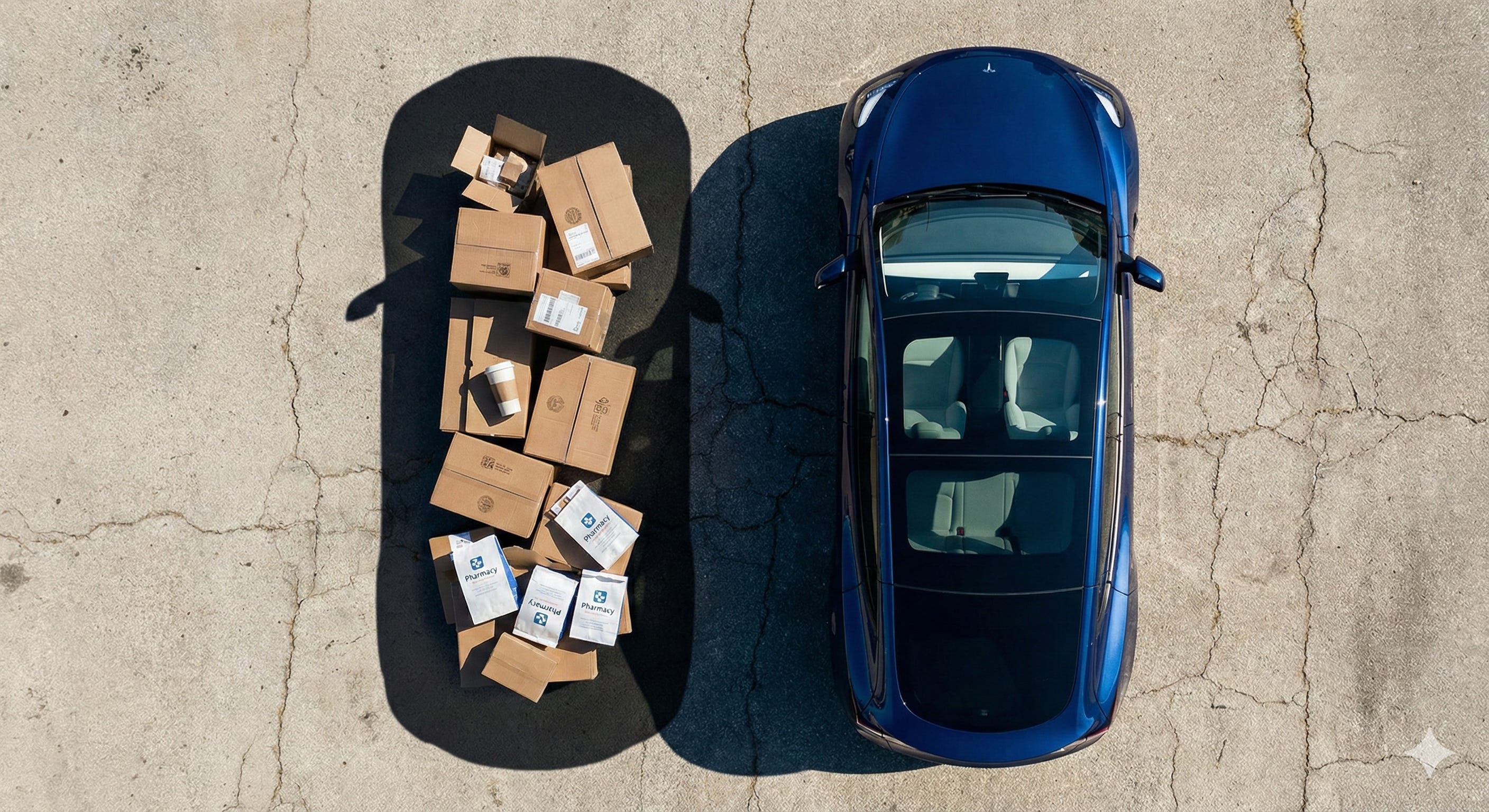
For years, automakers have chased a dream: what if selling you a car was just the beginning of the relationship? What if the vehicle itself became a platform for ongoing revenue — a subscription machine that keeps delivering value (and profit) long after you drive off the lot?
They’ve tried. God, have they tried. Automated payments at gas stations. In-car food ordering. Package delivery to your trunk while you’re at work. Pilot after pilot, partnership after partnership. None of it stuck.
But something’s different now. Fully autonomous driving — the kind where you’re not even in the car — isn’t a decade away anymore. It might be next year. And that changes everything about what’s possible.
The question isn’t whether your car will eventually run errands for you. It’s whether anyone can build that experience in a way that actually makes your life better, rather than just creating new ways to sell you things.
Let’s talk about why all those pilots failed.
Automated gas station payments — Shell partnered with Jaguar, Chevy tried too. The pitch: link your card, pull up to the pump, fuel flows automatically. No swiping, no PIN entry. Seamless! Except it wasn’t. You still had to tap through screens in the car before you got out. You still had to get out. The total time saved was maybe 30 seconds, and that’s being generous. It solved a problem that wasn’t really a problem.
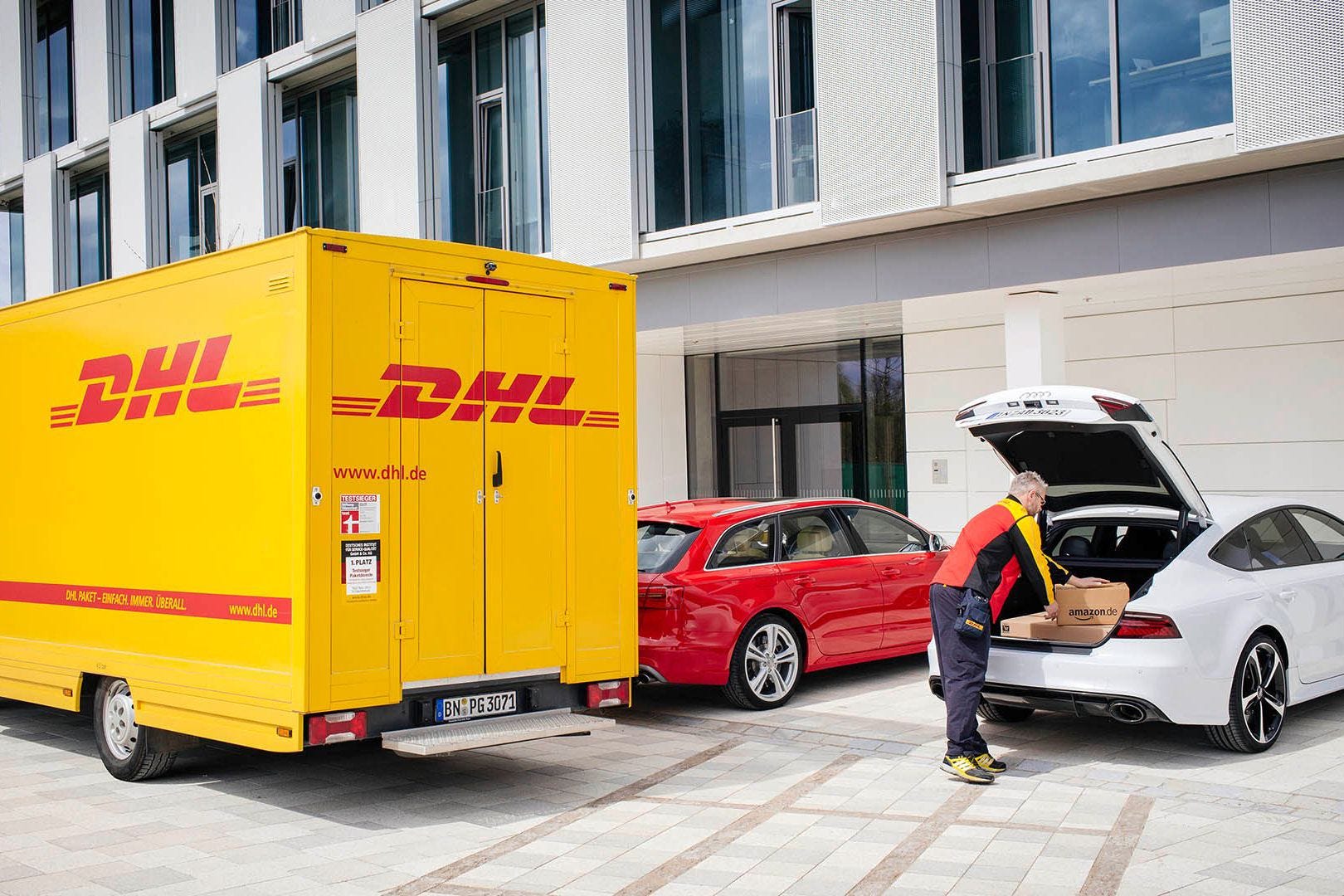
Trunk delivery was worse. Amazon and Audi piloted letting delivery drivers open your car remotely and drop packages inside. The value proposition: no more porch pirates! Your stuff is safe in your car! But that’s Amazon’s problem, not yours. Failed deliveries and stolen packages cost them money. The customer got nothing for participating except the vague satisfaction of knowing their protein powder was sitting in a hot trunk instead of on a hot porch. Why would anyone opt into that?
These weren’t benefits. They were features dressed up as benefits. And customers saw right through them.
If you want to build something that actually works — that customers actually use and partners actually pay for — it has to clear three bars simultaneously. First, real, obvious improvement for the customer. Not theoretical. Not “well, technically this saves you...” Real. Time saved, money saved, ideally both. And it cannot be any more complicated or difficult than what they’re already doing. Second, genuine economic value to the partner — significant enough that they’re not just willing to participate, they’re willing to pay for the privilege. Third, a sustainable cut for whoever’s facilitating the platform.
Most pilots hit one, maybe two. They never hit all three. That’s why they died.
This article is sponsored by Nokian Tires. Full disclosure: I ran their winter tires on my own cars for years before they ever sent me free ones. The Finnish have been making specialized winter tires since 1936 — they know cold weather.
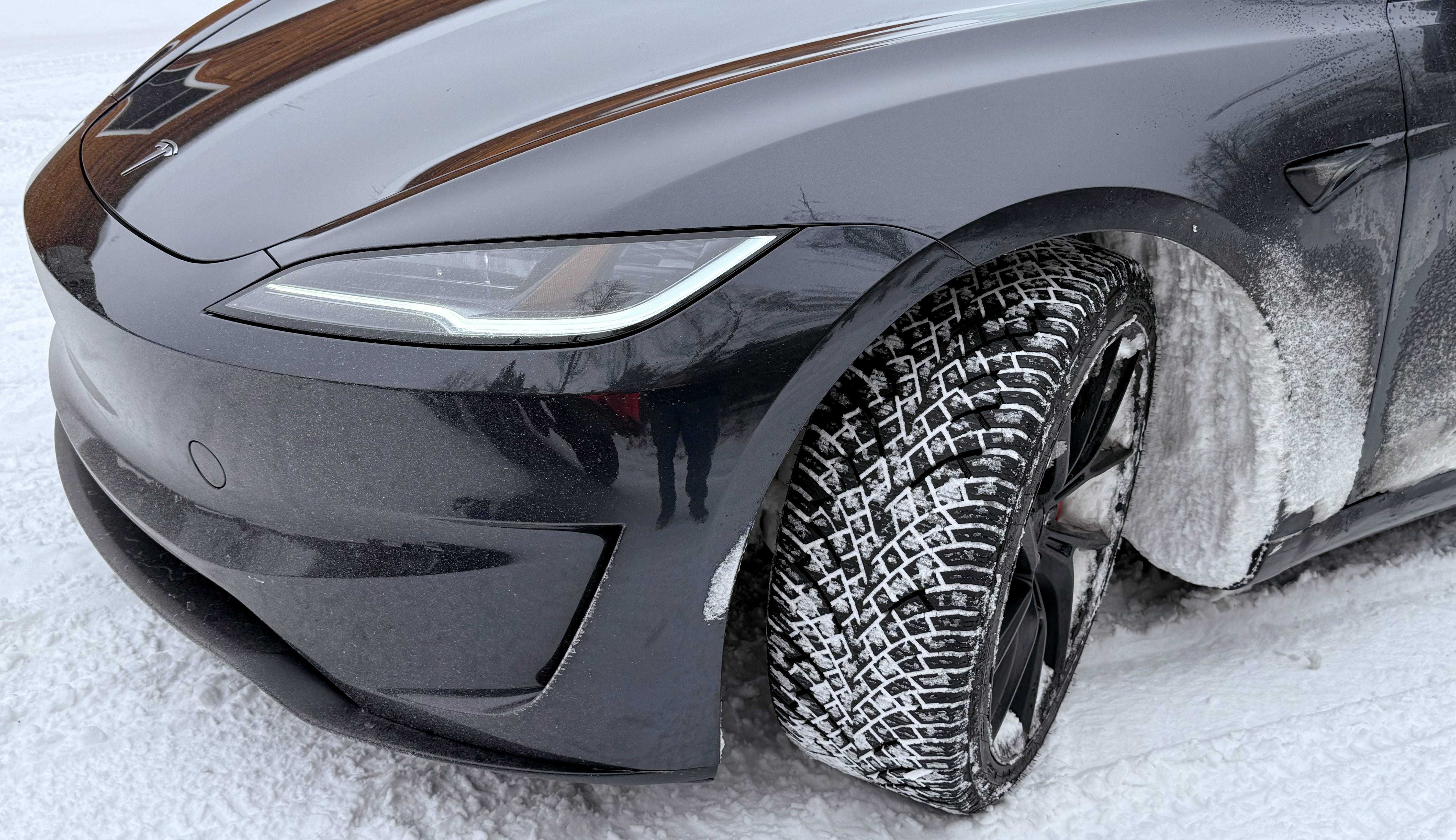
If you’re curious about tire choices for your vehicle, email me and I’m happy to help.
What Actually Passes
Picture this: You’re on Amazon, checking out. Under delivery options, you see your house, Amazon Locker, Whole Foods pickup, and a new one — “Send your car.”
You tap it. Your car drives to the fulfillment center while you’re at work, pulls into a queue, pops the trunk, and an Amazon worker loads your packages. The car drives home, parks in your garage, and waits. You unload whenever you feel like it — that night, the next morning, whenever.
For this minor inconvenience (is it even an inconvenience?), you get 5% off your order.
Why would Amazon offer that? Because last-mile delivery costs them somewhere around $10 per package. If your car comes to them, they save most of that. They can share $3-4 with you, give a cut to the platform, and still come out way ahead. That’s a real benefit for the customer. That’s a real benefit for the partner. And the partner’s benefit is significant enough that everyone gets paid.
Now expand it. Dry cleaning. Prescriptions. UPS and FedEx package pickup. Anything that currently requires you to either wait at home or drive somewhere during business hours. Your car just... handles it.
Same logic applies when you’re in the car. You say “I’m hungry.” The voice assistant — because by now it’s deeply integrated with your accounts — knows your Starbucks order, your OpenTable history, your preferences. It doesn’t just show you a list of nearby restaurants. It checks Resy for availability, cross-references with your calendar, calculates exactly when you’d arrive, and makes a reservation at a place you’ll actually like that can actually seat you.
Or simpler: “Order my usual from Starbucks.” It knows your usual because you logged into Starbucks once, the same way you logged into Spotify. It shows you three nearby locations with wait times. You pick one — or say “whichever’s fastest” — and by the time you pull up, it’s ready. No app. No line. No fumbling with your phone while driving.
That’s not a feature. That’s magic. And the magic is in what doesn’t happen.
Why Tesla
Everything I’ve just described requires three things: a car that can drive itself, a platform that controls the entire stack, and the design discipline to make it feel native rather than bolted-on.
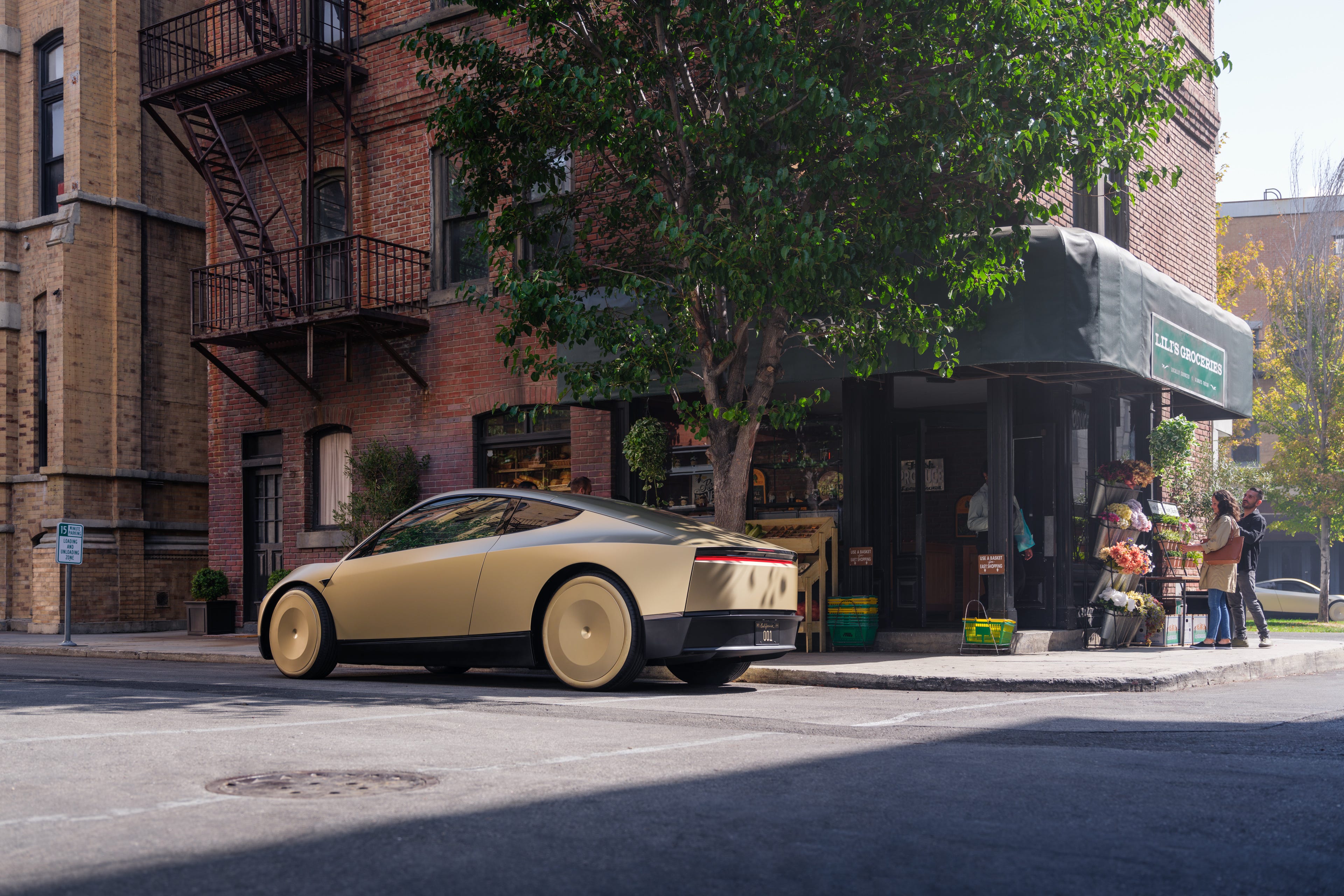
Tesla’s the obvious candidate. FSD version 14 is making genuine progress toward unsupervised operation. Cybercab production is reportedly starting next year — a vehicle designed from the ground up without a steering wheel, with a massive trunk and wireless charging, optimized for exactly this kind of use. The robotaxi rollout in Austin is already underway, with Tesla removing in-vehicle human supervisors just this week.
But it’s not just capability. It’s mentality.
Legacy automakers can’t do this because they have too many cooks. Partners, suppliers, dealers, infotainment vendors — everyone wants a piece, everyone adds friction, and there’s no one empowered to say “this is how it has to be.” The result is lowest-common-denominator experiences that satisfy no one. It’s like watching the same movie again.
Apple gets away with a 30% cut on the App Store because they built something worth 30%. They demand quality. They say no constantly. The result is an ecosystem developers want to be part of because customers actually use it. Tesla has that same energy — or could. Rivian might. Most automakers don’t, and probably can’t.
Here’s what makes this less speculation and more inevitability: the autonomous driving was the moonshot. That was the decade-long, tens-of-billions-of-dollars problem. Teaching a car to navigate the world safely without human intervention — that’s the hard part.
Warehouse queuing? Partner APIs? Figuring out where the car parks while a worker loads groceries into the trunk? That’s plumbing. Non-trivial plumbing, sure. But plumbing. Once the car can drive to a location, identify a loading zone, open its frunk, and drive home — everything else is execution. The pieces already exist. McDonald’s already uses geofencing to time when your food gets made. Starbucks already has order-ahead with estimated pickup times. Amazon already has curbside infrastructure at Whole Foods. Someone just has to connect them in a way that respects the customer.
The autonomous vehicle future isn’t about what you do when the car drives itself. Sleep, watch YouTube, answer emails — that’s obvious and boring. The interesting question is what the car does when you’re not in it. It sits parked 95% of the time. What if that time worked for you instead of just costing you insurance and depreciation?
The technology to make this happen is arriving. The question is whether anyone will build it right — where “right” means genuinely beneficial to the customer, not just another surface for advertising and upsells.
That’s the bet. And for the first time, it feels like someone might actually win it.
We’ve seen this movie before. The industry convinced itself Tesla was about to fail, that hybrids were dead, that battery supply chains would materialize on faith. They were wrong about all of it — and Ford’s $19.5 billion writedown is the receipt.
Read part one → How (and why) Ford lost $19.5 billion betting on EVs
I like this! Tesla mostly talks about using my (future) self-driving car as a taxi, but I’m pretty suspicious of how the societal norms will work out for keeping the cars safe. We already saw some of the protests in LA including calling a Waymo and then torching it. If Elon is in one of his PR low periods, Tesla taxis may suffer. (Would they be programmed to refuse to pick up people in masks?)
Here you suggest useful things that could benefit me and my vendor. (Wal-Mart may be an even better partner due to their stores in locations far from Amazon distribution centers.)
I’m not clear where your $10-last-mile figure comes from, but it is surely still important. I think “free same day” has the same value.
I think some of your convenience ideas around learning preferred orders would fail privacy tests. One of apple’s best features is its commitment to protect data, and this tramples through that in a way that would make google blush.