

Part one of two.
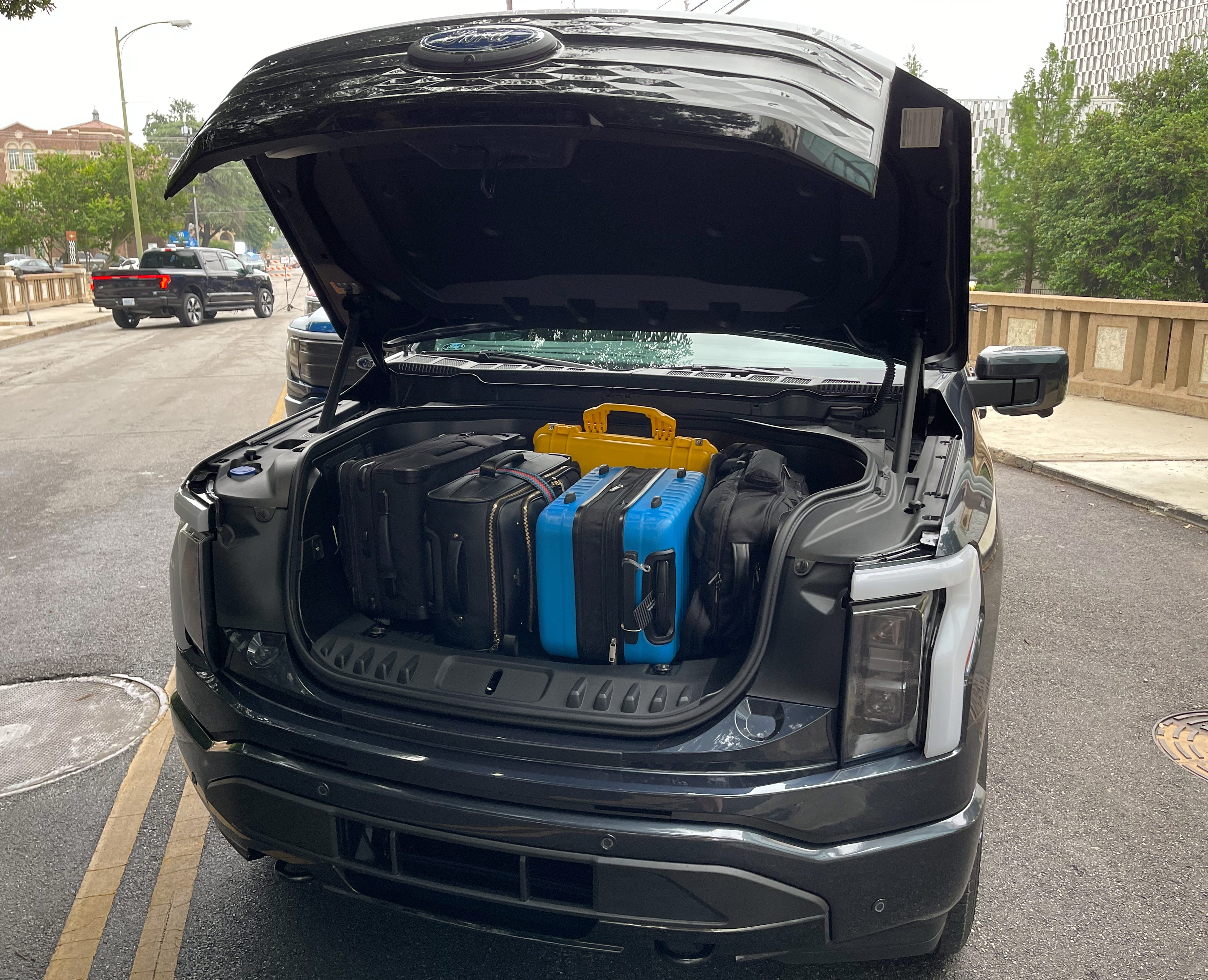
Ford just announced it’s writing down $19.5 billion in EV-related assets. BlueOval City — the Tennessee gigafactory that was supposed to be Ford’s electric future — is being renamed “Tennessee Truck Plant” and will build gas-powered pickups starting in 2029. Production of the current F-150 Lightning has ended. The next-generation Lightning will be an extended-range EV with a gas-powered generator onboard, not a pure battery electric. Model e, Ford’s EV division, won’t be profitable until 2029.
This is a confession dressed up as a pivot.
Ford isn’t alone. Remember in 2016 when Dieter Zetsche, then-CEO of Mercedes, predicted that 25 percent of the company’s sales would be electric by 2025? A few years later, Merc doubled down, then doubled down again, saying in 2021 that it would be all-electric by 2030. It has since rolled back most of its EV strategy and will be selling internal combustion engines for the foreseeable future.
GM has scaled back Ultium and quietly walked back the “all-EV by 2035” rhetoric. They eventually shipped the electric Silverado and Sierra EV — I drove the Sierra from Boston to LA earlier this year to test Super Cruise — but the volume ambitions have cratered. Volkswagen is closing a factory in Germany amid software disasters and disappointing ID.4 sales. Stellantis just pushed out Carlos Tavares with its EV strategy in disarray.
The common thread: around 2021-2022, every legacy automaker convinced themselves that Tesla had cracked the code and they needed to bet billions — immediately — or get left behind. The Biden administration’s EPA mandates added regulatory tailwinds that made the transition feel inevitable. The fear of being “the next Kodak” overwhelmed any sober analysis of actual consumer demand, battery supply chains, or charging infrastructure.
Then the political winds shifted. Trump’s back, and he just revoked almost all of the fuel economy mandates. The regulatory inevitability turned out to be politically reversible. Ford’s press release mentioned “regulatory changes” as one reason the business case “eroded.” No kidding.
Here’s the thing: two companies didn’t buy the consensus. And they’re doing just fine.
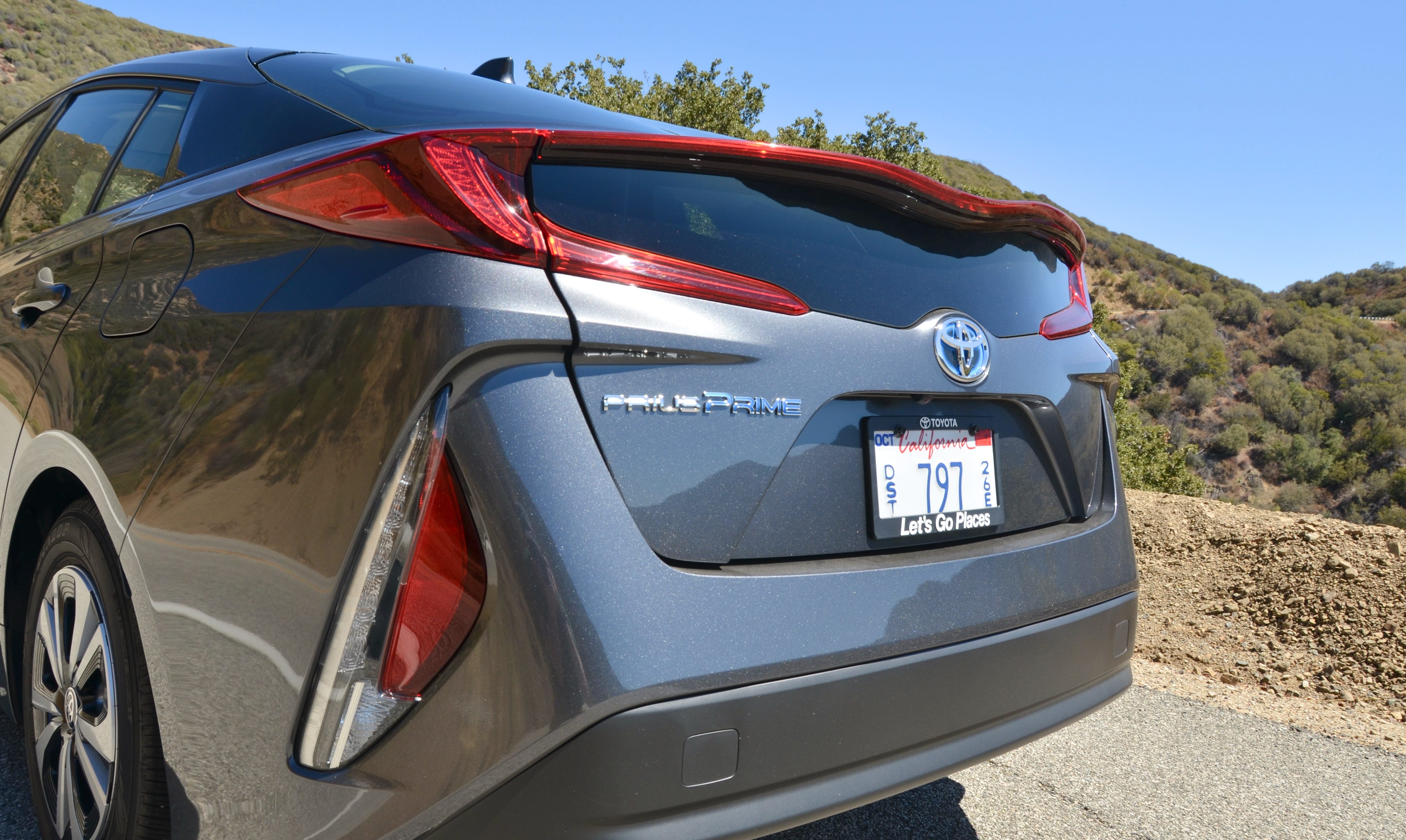
Toyota spent a decade getting roasted. Akio Toyoda was practically called a climate denier for insisting that hybrids were the bridge technology and that global battery supply chains couldn’t support mass EV adoption. The automotive press, the analysts, the EV Twitter commentariat — everyone dunked on Toyota as dinosaurs who didn’t get it.
Toyota understood something the consensus missed: you can’t electrify a global fleet if you can’t build the batteries. Akio was right.
And now Ford is announcing a pivot to... Toyota’s strategy from 2015. Hybrids everywhere. Extended-range EVs for trucks. Pure battery electrics only where the economics actually work.
Then there’s Tesla, which is printing money while legacy automakers write down billions. But Tesla didn’t win by building better cars (though it did that too). Tesla won by building the machine that builds the machine.
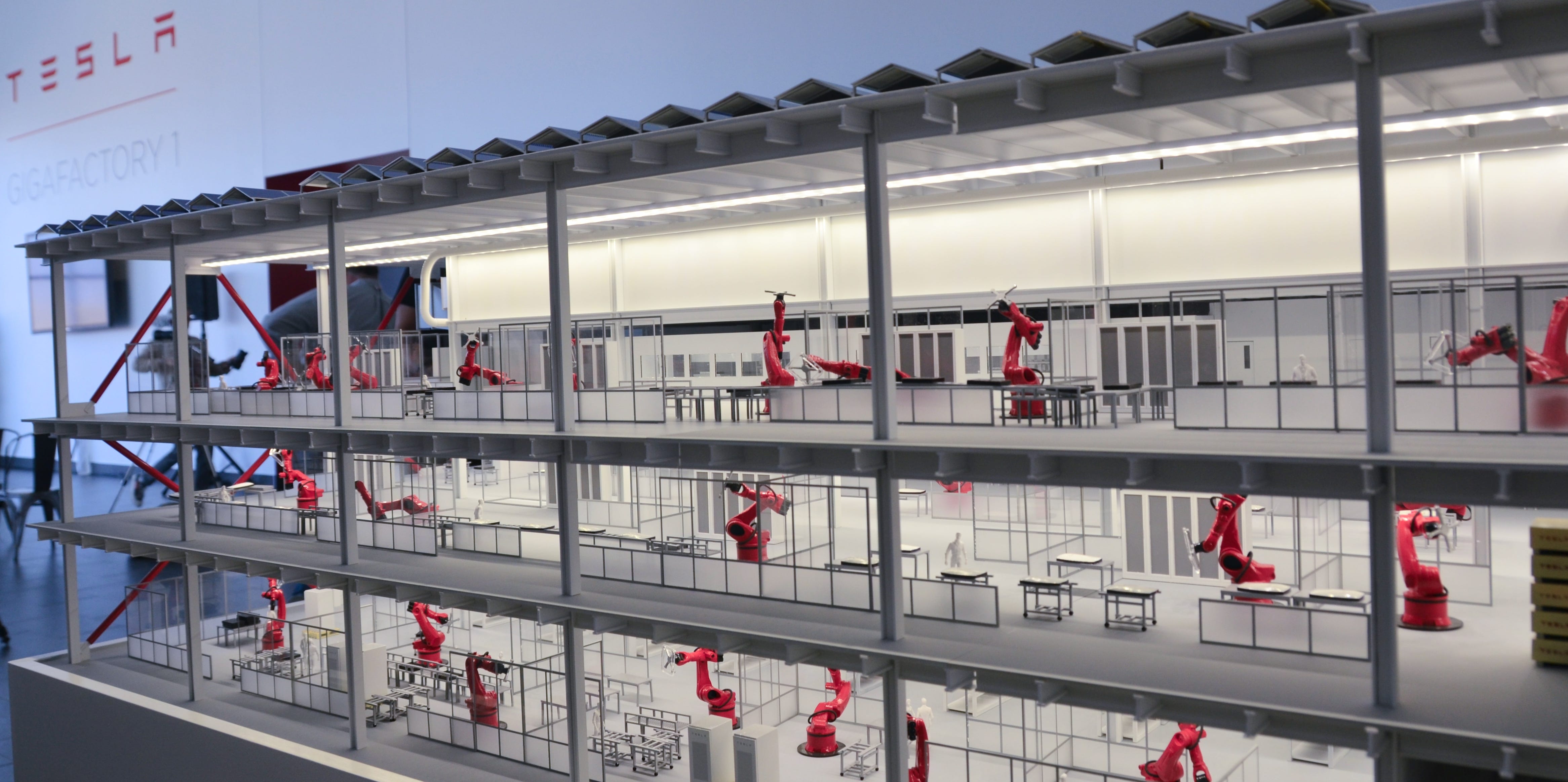
I stood in Tesla’s Gigafactory in the Nevada desert in 2016. A Panasonic executive told me something that stuck: the production capacity of that single factory would exceed the total output of the entire global battery industry. Not Panasonic. Not Japanese companies. All Japanese, Korean, and Chinese battery makers combined.
The obvious question — the one I kept asking — was: where are Ford’s batteries coming from? GM’s? Volkswagen’s?
The answer I got from several carmakers was some version of: “We have faith in our supply chain.”
The supply chain that didn’t exist.
Nine years and $19.5 billion later, we see how that faith was rewarded.
It’s worth noting: the products themselves were often good. GM’s Bolt in 2016 was a genuinely excellent car — 238 miles of range, around $30,000 after the tax credit, and what I called at the time “aggressively normal.” But LG made the cells, LG had finite capacity, and GM was never going to build its own gigafactory. The Bolt stayed a compliance car (and they were all recalled).
I loved Ford’s EVs — the Mach-E, the Lightning, the E-Transit. Good products, all of them.
But you can’t scale good products without the industrial foundation to build them. Ford’s engineers could design a great electric truck. Ford’s supply chain couldn’t build enough batteries to put them in customers’ driveways.
Meanwhile, the Hummer EV — which I also enjoyed driving — perfectly captured GM’s strategic confusion. A 205 kWh battery pack, the largest in any production vehicle. That’s roughly three Model 3s worth of cells stuffed into a single $110,000 truck so it could do a 3-second 0-60 party trick. Cool? Absolutely. A strategy? Absolutely not.
Tesla took a different path at every turn. Vertical integration from the start. Build your own cells. Build your own charging network. Create software that actually adds value rather than extracting rent from customers who already bought the car.
This article is sponsored by Nokian Tires. Full disclosure: I ran their winter tires on my own cars for years before they ever sent me free ones. The Finnish have been making specialized winter tires since 1936 — they know cold weather.
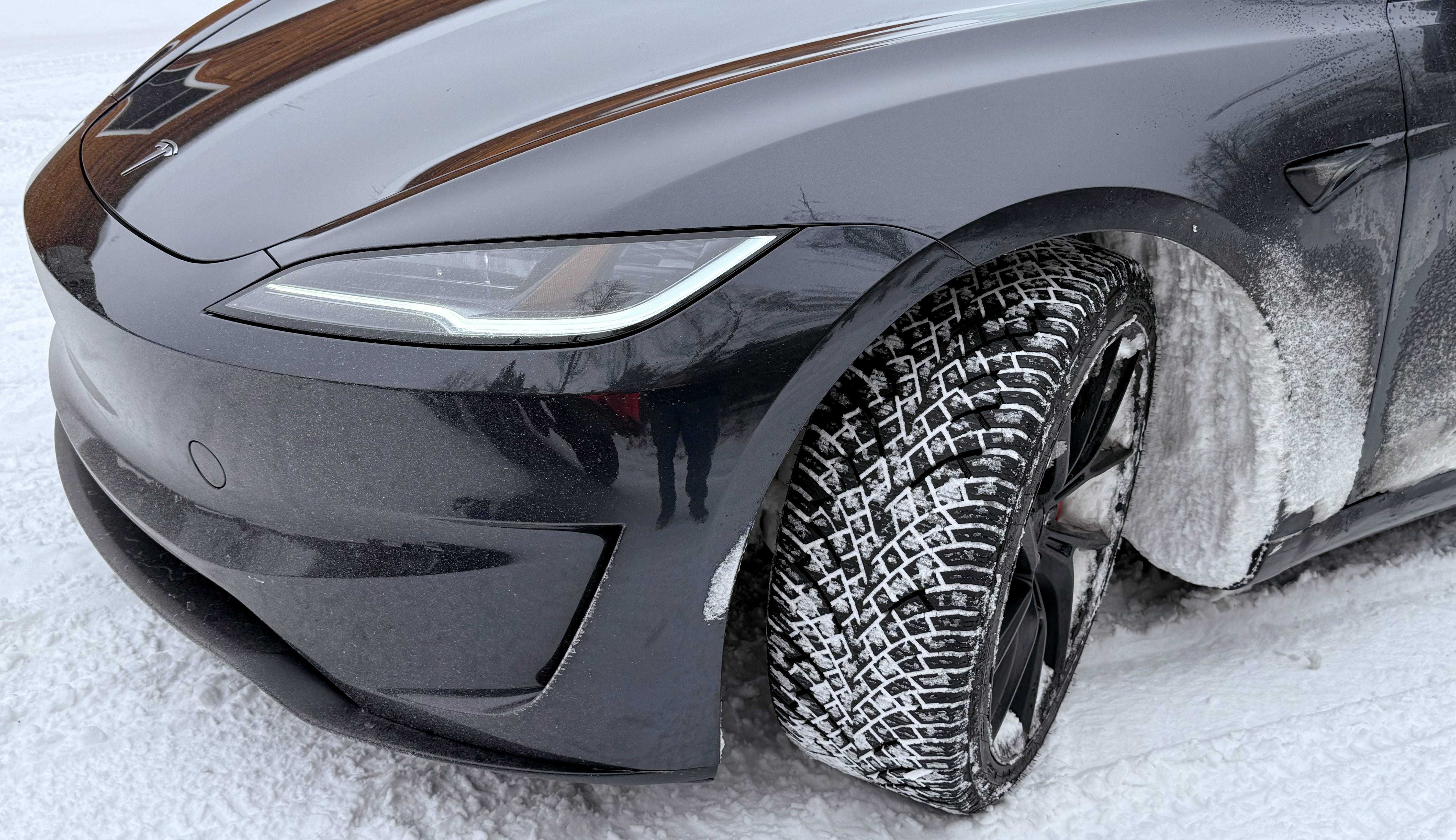
If you’re curious about tire choices for your vehicle, email me and I’m happy to help.
But Tesla’s advantage wasn’t just manufacturing scale — it was making EV ownership effortless. Superchargers everywhere, one-click purchasing, software that improves the car after you buy it. Ford built some great EVs and then handed the keys to a dealership network that would rather sell you a Bronco, powered by a charging ecosystem that requires three apps and a prayer. When you’re asking customers to abandon a century of muscle memory around gas stations, “good product” isn’t enough. You have to make the switch feel easy. Tesla did. Ford didn’t.
By 2023, the “we’ll do it our own way” consensus collapsed entirely. Ford adopted Tesla’s charging standard, the first capitulation of many. GM followed, then everyone else. The Supercharger network that legacy automakers ignored for a decade became the de facto North American standard — not because regulators mandated it, but because it was simply better and customers knew it.
And here’s the part that’s almost too perfect: buried in Ford’s announcement is a “new” strategic initiative. Ford is launching a battery energy storage business, repurposing the Kentucky battery plants to build grid storage systems for data centers and utilities. They’re planning to ship 20 GWh annually by 2027. Jim Farley called it a “high-growth opportunity.”

You know who identified that opportunity? Elon Musk. In 2016. Standing in that same Gigafactory, he told me that stationary storage would “probably be as big as the car business long term” with “a super-exponential growth rate.”
Tesla’s Megapack business is now enormous. They’re building dedicated Megafactories. Last year, Tesla launched a $5-per-month unlimited overnight charging program in Texas — not as a loss leader, but because Tesla is an electricity retailer in Texas’s deregulated market. They’re building the grid-as-platform business while Ford is still trying to figure out what to do with stranded battery factories.
Ford’s bold new direction is Tesla’s 2016 roadmap, too.
So what went wrong? Groupthink. The same consultants, the same McKinsey decks, the same conference circuit, the same assumptions bouncing around the same rooms. Everyone validated everyone else. Nobody asked the basic questions — like “who’s going to make all these batteries?” — because asking would have revealed that the emperor had no clothes.
When everyone at Davos agrees on something, that’s usually a sell signal.
Which brings me to the uncomfortable question: what else is the auto industry getting wrong right now?
I’d start with autonomy. The industry has burned billions on LIDAR, HD mapping, geofenced cities, and safety drivers. Cruise imploded. Argo AI is dead. Waymo works but hasn’t proven the economics. Meanwhile, Tesla’s vision-only approach has been dismissed as “dangerous” and “reckless” by the same expert consensus that assured us legacy automakers would catch up on EVs by 2025. Tesla just started pulling human safety operators out of its robotaxis in Austin.
This has the same energy as the people who said SpaceX was nuts for trying to land rockets.
And here’s the thing: the real autonomous opportunity isn’t even robotaxis. It’s what your car does when you’re not in it — the errands it runs, the packages it picks up, the friction it removes from your life. I wrote about this separately, but the short version is: the moonshot was teaching the car to drive itself. That’s done. Everything else is plumbing. The same structural problems that killed Ford’s EV strategy — too many stakeholders, too much consensus, no vertical integration — will kill their shot at capturing it.
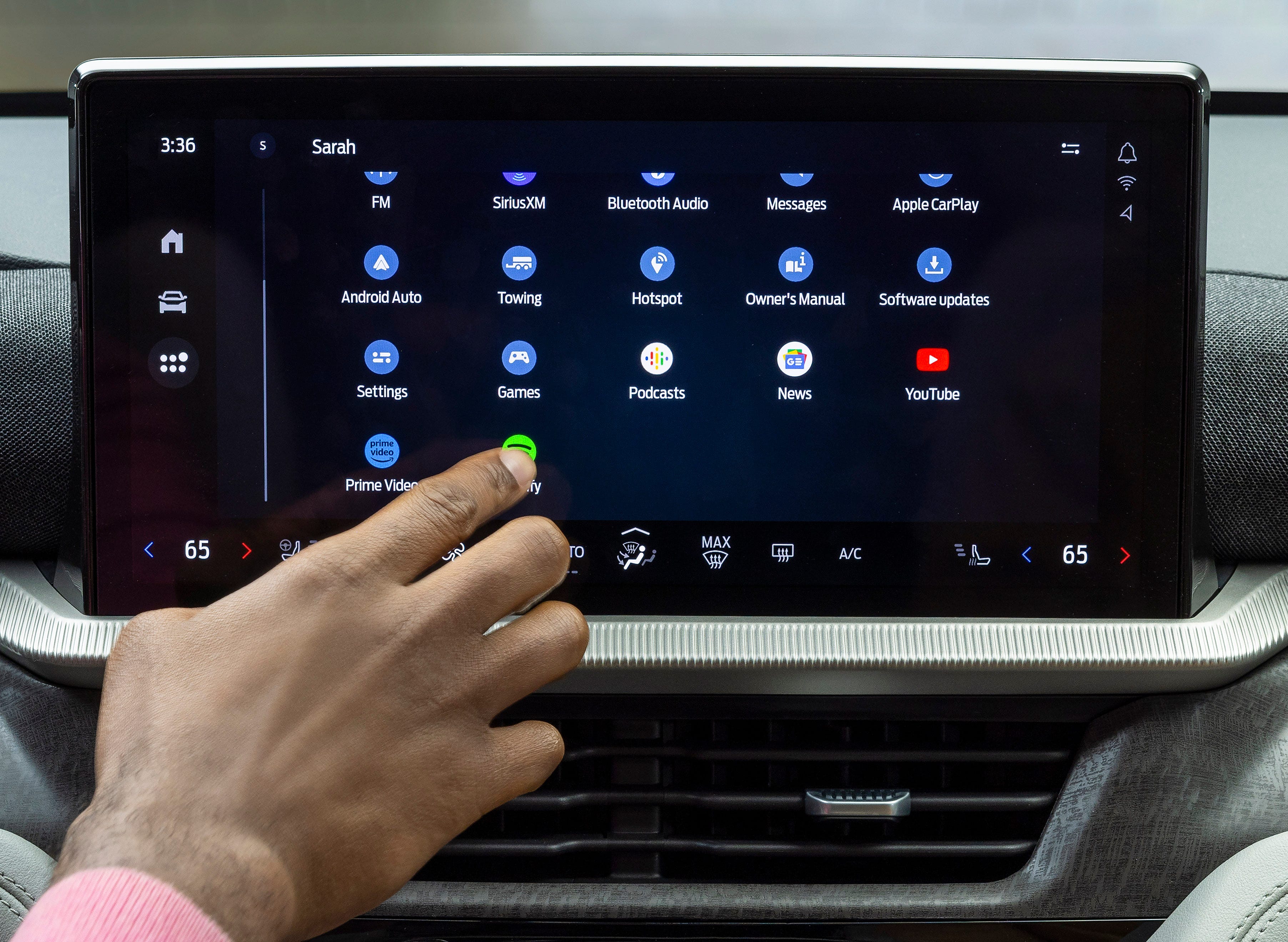
Then there’s the software-defined vehicle fantasy — the idea that automakers can build recurring revenue streams by paywalling features or selling stuff to the driver long after the initial purchase. BMW tried charging a subscription for heated seats and got laughed out of the room. The difference between BMW’s approach and Tesla’s is simple: Tesla’s software updates make the car better. They add capability. Legacy OEMs are trying to monetize the relationship; Tesla is trying to solve problems.
One of those approaches creates value for customers. The other extracts it. Guess which one people will pay for.
The lesson from Ford’s $19.5 billion education is simple: when the consensus is overwhelming and the skeptics are being laughed at, go find the skeptics and hear them out.
Toyota was the punchline. They were right.
Tesla was “about to go bankrupt” every year for a decade. They were right.
SpaceX was “nuts” for trying to land rockets. They were right.
The pattern isn’t complicated. Revolutionary technology confounds conventional expertise. The people closest to the old way of doing things are often the worst at predicting the new way. And when you ask a basic question — like “where are the batteries coming from?” — and the answer is “faith,” that’s your signal.
Ford’s executives aren’t stupid. Neither were GM’s or Mercedes’ or Volkswagen’s. They were operating in a system that punished dissent and rewarded consensus. They hired smart people who told them what everyone else’s smart people were saying.
And when someone asked where the batteries were coming from, they had faith.
Faith cost them $19.5 billion.
And it’s about to happen again — the same structural failures that gave Ford and GM and Mercedes so much trouble with EVs are about to kill their shot at autonomy.
Read part two → Why your next car might run your errands
EVs suck